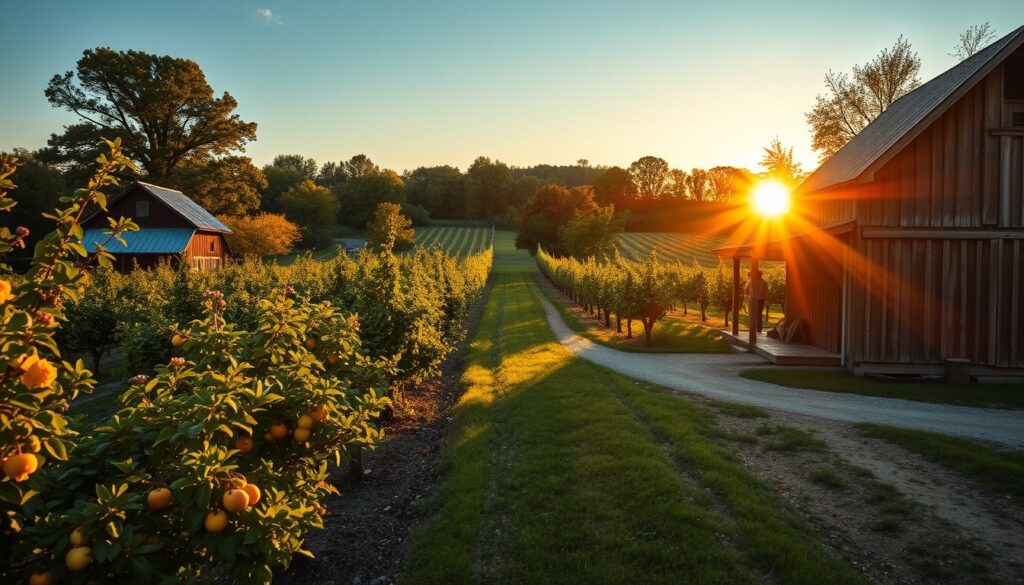
Baltimore’s Orchard Revival: Unearthing Heritage Fruit & Soil Alchemy for Chesapeake Gardens
As the Editor-in-Chief of Baltimore Life Magazine, I’m thrilled to bring you a truly groundbreaking exploration into the heart of our region’s agricultural past and its potential future. In a world increasingly disconnected from its food sources, a quiet revolution is taking place in backyards and historic estates across Baltimore and the Chesapeake Bay. This movement, drawing inspiration from the authoritative research in The Lost American Farmstead: The Definitive Guide to Heritage Orchards, Soil Alchemy, & Self-Sustaining Agriculture, isn’t just about growing fruit; it’s about reconnecting with the land, fostering resilience, and cultivating a legacy for generations to come. Imagine your heritage orchard Baltimore gardens thriving with varieties that once graced the tables of colonial Maryland, producing bountiful harvests with minimal intervention.
The Chesapeake’s Forgotten Bounty: A Local Hook
Our unique position along the Chesapeake Bay gifts us with a microclimate ripe for diverse agriculture. Historically, Maryland was dotted with orchards, supplying everything from cider to pies. Estates like Hampton National Historic Site and many smaller, forgotten farms once cultivated extensive fruit collections. These lands, shaped by the Bay’s influence, faced challenges and opportunities that demanded specific, often indigenous, agricultural wisdom. The very soil beneath our feet holds stories of bountiful harvests and innovative practices designed to thrive in our hot, humid summers and mild winters.
The research from The Lost American Farmstead emphasizes a return to these historical blueprints, recognizing that our ancestors developed sustainable systems perfectly adapted to their local environments. For Baltimoreans, this means understanding the nuances of our sandy loams, clay subsoils, and coastal influences. It’s about not just planting a tree, but planting it within a system that has historically proven its worth in the Mid-Atlantic.
1. Reclaiming the Land: Site Selection & Historical Context
Before the first shovel breaks ground, the foundation of a successful heritage orchard Baltimore gardens lies in thoughtful site selection. The Lost American Farmstead methodology stresses observation – becoming intimately familiar with your land’s unique characteristics. Consider sunlight exposure (at least 6-8 hours daily), prevailing winds, and most critically, drainage. Historically, fruit trees were often planted on slopes or in areas where water didn’t pool, preventing root rot and ensuring robust growth. Many historic estates strategically placed their orchards on south-facing hillsides to maximize sun exposure and provide natural cold air drainage, protecting blossoms from late frosts.
Actionable Advice: Observe your property through all four seasons. Note where snow melts first, where water collects after rain, and which areas are sheltered from strong winds. A simple percolation test (digging a hole, filling it with water, and timing how long it takes to drain) can reveal critical drainage insights. For inspiration on historic land use, explore resources from the National Park Service: NPS – Agriculture History.
2. Soil Alchemy: The Foundation of Abundance
The heart of any self-sustaining agriculture, as detailed in The Lost American Farmstead, is soil alchemy – transforming inert dirt into a living, breathing ecosystem. This isn’t just about adding fertilizer; it’s about nurturing the microbial life that makes nutrients available to plants. Our regional soils, from coastal plains to Piedmont, can benefit immensely from practices like robust composting, biochar incorporation, and cover cropping.
Instead of feeding the plant, we feed the soil. This involves building organic matter through diverse inputs: leaf mold, kitchen scraps, aged manure, and wood chips. Biochar, a stable form of carbon, can significantly improve soil structure, water retention, and nutrient cycling, particularly valuable in sandy or heavy clay soils common in our area. Cover crops like clover or vetch protect the soil from erosion, suppress weeds, and fix nitrogen, naturally enriching the ground for your fruit trees.
DIY Soil Amendments: A Blueprint
- Compost: Layer ‘greens’ (nitrogen-rich: grass clippings, food scraps) and ‘browns’ (carbon-rich: leaves, wood chips). Turn regularly.
- Biochar: Purchase or make your own from sustainably sourced wood. Mix into the top 6-12 inches of soil, ideally pre-charged with compost tea.
- Cover Cropping: Plant annual rye, crimson clover, or buckwheat in dormant areas of your heritage orchard Baltimore gardens. Chop and drop before they go to seed.
The USDA National Agricultural Library offers extensive resources on soil health and organic practices: USDA National Agricultural Library.
3. Cultivating Legacy: Selecting Heritage Varieties for the Chesapeake
One of the most exciting aspects of creating a heritage orchard Baltimore gardens is the opportunity to rediscover forgotten fruit varieties. The Lost American Farmstead emphasizes selecting cultivars adapted to your specific climate and historical context. For the Chesapeake region, this means varieties that tolerate humidity, moderate chill hours, and sometimes late spring frosts. These heritage fruits often boast superior flavor, disease resistance, and resilience compared to modern commercial varieties.
Consider apples like ‘Grimes Golden’ (a West Virginia native with a rich, spicy flavor), ‘York Imperial’ (excellent for baking and storage, developed in Pennsylvania), or ‘Stayman Winesap’ (a robust, flavorful apple). For peaches, look for ‘Reliance’ or ‘Redhaven,’ known for their cold hardiness and delicious fruit. Pears like ‘Seckel’ and ‘Kieffer’ thrive in our climate, offering small, sweet fruit and reliable harvests. Sourcing these from reputable heritage nurseries or local experts ensures you’re planting a true piece of history.
Actionable Advice: Research local nurseries specializing in heirloom fruit trees. Understand your local USDA Plant Hardiness Zone (Baltimore is generally 7a/7b) to select varieties with appropriate chill hour requirements: USDA Plant Hardiness Zone Map.
4. The Self-Sustaining Orchard: Beyond Planting
A true heritage orchard, as envisioned by The Lost American Farmstead, is a dynamic ecosystem designed for minimal external inputs. Once established, the focus shifts to nurturing its self-sustaining capabilities. Integrated Pest Management (IPM) is crucial, relying on observation and natural solutions rather than harsh chemicals. Encourage beneficial insects like ladybugs, lacewings, and parasitic wasps by planting diverse flowering plants among your fruit trees.
Water management is another cornerstone. Implement rain barrels to capture precious stormwater, and consider swales or hugelkultur beds to slow, spread, and sink water into the soil. Mulching heavily around your trees with wood chips or straw conserves moisture, suppresses weeds, and slowly enriches the soil. Pruning, often seen as complex, is demystified through historical blueprints that focused on tree health and natural form rather than rigid commercial standards. The goal is open canopy for air circulation and sunlight penetration, reducing disease pressure.
Actionable Advice: Install rain barrels. Plant a border of native wildflowers like coneflowers, black-eyed Susans, and milkweed to attract pollinators and beneficial predators. Learn basic dormant pruning techniques focused on removing dead, diseased, or crossing branches.
Community & Legacy: Your Orchard’s Future
The journey of cultivating a heritage orchard Baltimore gardens is more than a personal endeavor; it’s a contribution to our community’s ecological and cultural heritage. Sharing your knowledge, exchanging scion wood with other enthusiasts, or even contributing to local food banks with your surplus harvest can foster a powerful sense of connection and purpose. As emphasized in The Lost American Farmstead, these orchards are living monuments, teaching us patience, ecological literacy, and the profound satisfaction of working in harmony with nature.
Imagine your backyard not just as a garden, but as a vibrant, productive ecosystem – a small slice of agricultural history reborn. The fruits of your labor will be more than just delicious; they will be a testament to resilience, a commitment to sustainability, and a sweet legacy for Baltimore’s future generations.
Unlock Deeper Wisdom
Ready to transform your garden into a self-sustaining paradise? Dive deeper into these ancient practices with the definitive guide: The Lost American Farmstead: The Definitive Guide to Heritage Orchards, Soil Alchemy, & Self-Sustaining Agriculture. Available in hardcover, this essential resource provides comprehensive insights and step-by-step guidance. Further enhance your skills by enrolling in the companion masterclass, available exclusively on TodaysCourse. Cultivate your legacy today!
Deepen Your Mastery: The Complete Reference Suite
This research is derived from the definitive edition of The Lost American Farmstead: The Definitive Guide to Heritage Orchards, Soil Alchemy, & Self-Sustaining Agriculture, published by Mestizo Media Group and available for $19.99 on the DC Life Gallery Store and major booksellers.
To access the accompanying 5-module video masterclass, student field worksheets, and soil chemistry blueprints, enroll in the companion course on TodaysCourse Academy.
Curated Literature & Baltimore Downtown Calendar
The Architecture of Focus: Deep Work & Modern Mastery
By Founders Library Press
A structured framework for strategic clarity, productivity, and authentic execution.
Upcoming Downtown Happenings
Live acoustic sessions, gallery receptions, literary salons, and independent trade shows across Baltimore.